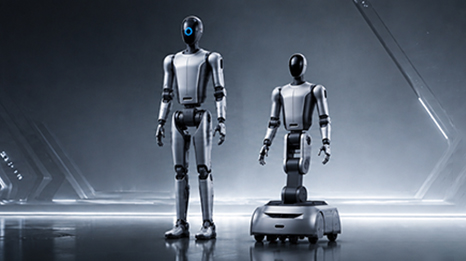





Quadruped Robots
INDUSTRY CHALLENGES
-
 01
01Rapid body motion and vibration can cause sensor jitter and spatiotemporal synchronization errors.
-
02
High-frequency motion control requires low-latency communication across sensors, compute, and the robot's AI stack.
-
03
Tight SWaP constraints demand compact, power-efficient computing and sensing hardware.


INDUSTRY SOLUTION
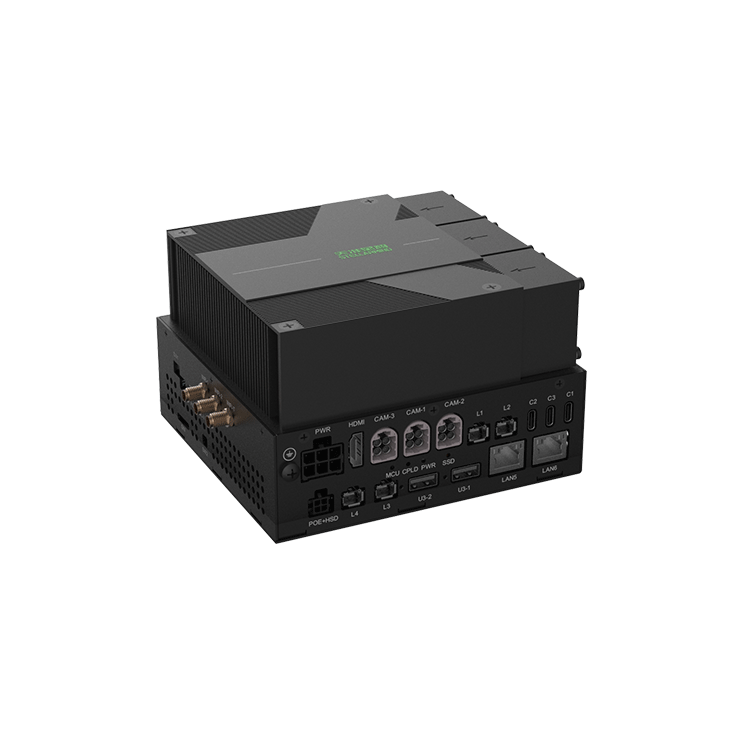
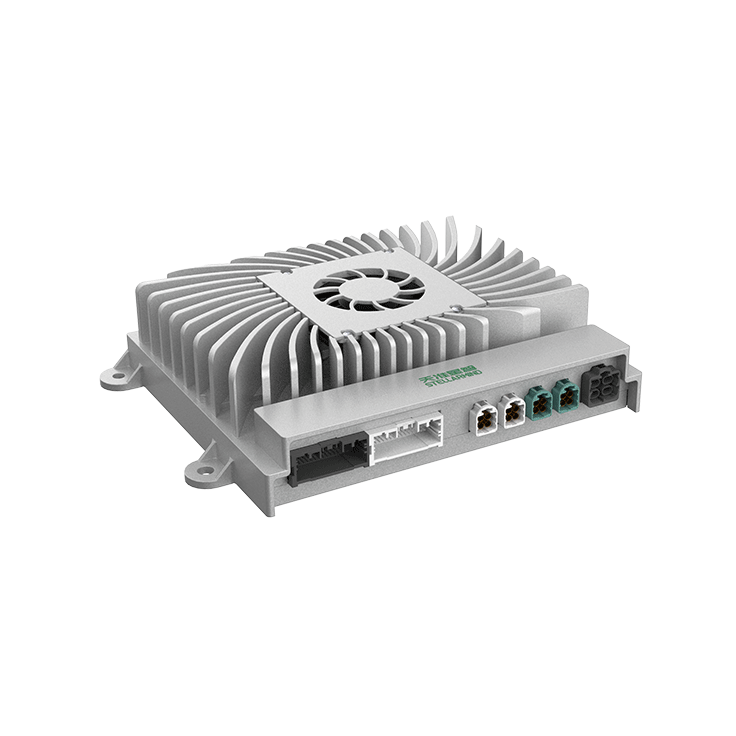
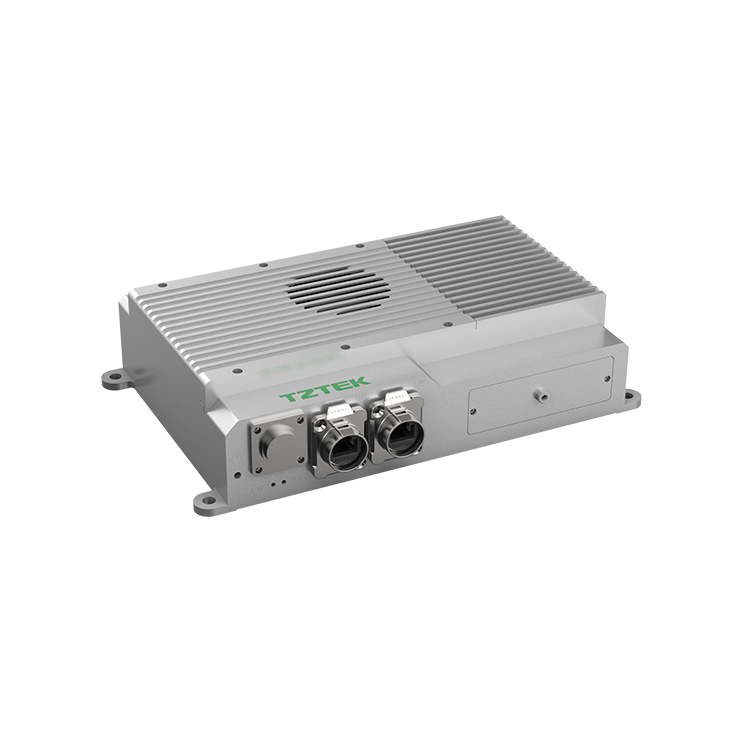
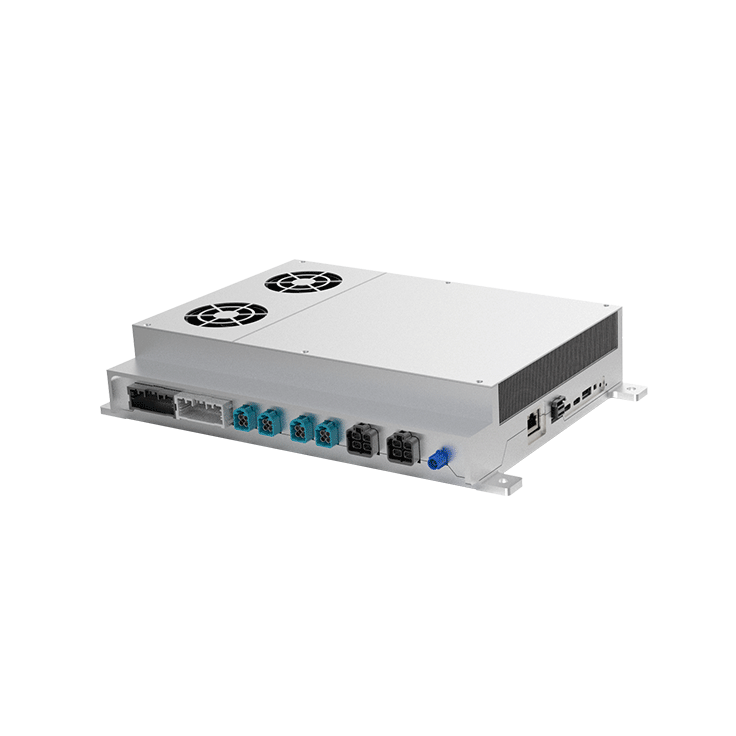
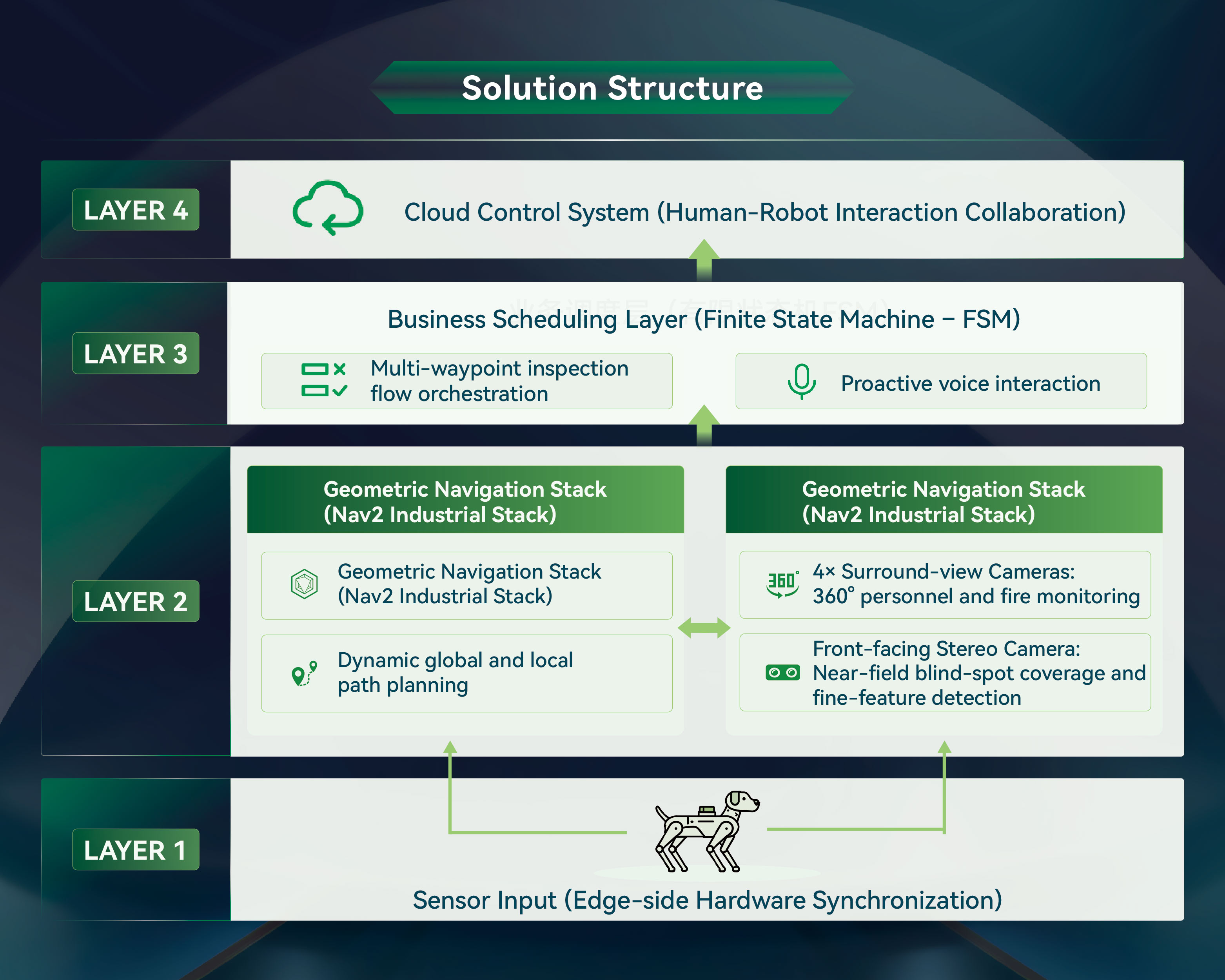
TZTEK's edge controller combines high-speed multi-channel interfaces with nanosecond-level hardware synchronization based on a CPLD architecture, enabling tightly synchronized multimodal sensing and seamless fusion of geometric navigation with AI-driven semantic perception.
360° Semantic Perception: Four surround-view cameras provide panoramic coverage. Jetson edge computing runs lightweight multimodal models locally for real-time detection of people, fire and smoke, and fire-hydrant status.
Forward Near-Field Perception: A front-facing stereo camera covers LiDAR blind spots at close range, detecting low steps, ground obstacles, and depressions. At designated inspection checkpoints, it switches to high-resolution imaging for sub-centimeter feature inspection, including instrument readings and valve positions.
LiDAR–IMU Navigation: A LiDAR and high-rate IMU form the core geometric sensing system. Tightly coupled fusion of LiDAR point clouds and inertial data enables real-time 3D mapping and robust localization for autonomous navigation and obstacle avoidance.
KEY ADVANTAGES
-


Nanosecond-level hardware synchronization for stable operation under dynamic motion.
-

High-efficiency, compact design for extended battery life.
-

Automotive-grade vibration resistance and wide-temperature operation for demanding outdoor environments.